

Heart disease remains one of the leading causes of death worldwide, but many of its risk factors are preventable. This article explores simple yet effective lifestyle changes that can significantly reduce the likelihood of developing heart-related conditions. From adopting a heart-healthy diet and engaging in regular exercise to managing stress and maintaining a healthy weight, these strategies promote overall cardiovascular well-being. By making informed choices today, individuals can safeguard their heart health and enhance their quality of life.

Understanding Heart Disease
What is Heart Disease?
Heart disease is a broad term covering various conditions affecting the heart. The most common type is coronary artery disease (CAD), which can lead to heart attacks. Other forms include arrhythmias, heart failure, and valvular disease.
Causes and Risk Factors
Several factors increase the risk of heart disease. Some are genetic, while others relate to lifestyle. High blood pressure, high cholesterol, obesity, and diabetes contribute significantly. Smoking, lack of physical activity, and poor diet also elevate the risk.
The Role of a Healthy Diet
Foods That Support Heart Health
A balanced diet plays a crucial role in maintaining heart health. Consuming whole foods, rich in nutrients, can lower cholesterol and blood pressure. Some heart-healthy foods include:
- Fruits and vegetables
- Whole grains
- Lean proteins like fish and poultry
- Nuts and seeds
- Healthy fats from olive oil and avocados
Foods to Avoid
Certain foods negatively impact heart health. Reducing these can significantly decrease disease risk. Processed foods, high in trans fats and added sugars, should be limited. Sodium intake should also be monitored, as it can lead to high blood pressure.
The Importance of Regular Exercise
How Exercise Benefits the Heart
Physical activity strengthens the heart, improves circulation, and reduces cholesterol. It also helps regulate weight, lowering the risk of obesity and diabetes.
Best Exercises for Heart Health
Aerobic exercises, such as walking, jogging, and cycling, improve heart function. Strength training enhances overall fitness, while flexibility exercises help maintain mobility.
Incorporating Exercise into Daily Life
Staying active does not require a gym membership. Simple changes, such as taking the stairs or walking during breaks, can be effective. Finding an enjoyable activity increases the likelihood of consistency.
Managing Stress for a Healthier Heart
To manage stress for a healthier heart, prioritize regular exercise, practice relaxation techniques like meditation or deep breathing, and maintain a healthy lifestyle with good sleep and a balanced diet.
Here’s a more detailed look at how to manage stress for a healthier heart:
Prioritize Physical Activity:
Regular exercise can significantly reduce stress and improve overall cardiovascular health.
Aim for at least 30 minutes of moderate-intensity exercise most days of the week.
Engage in activities you enjoy, such as walking, jogging, swimming, or cycling.
Practice Relaxation Techniques:
Meditation, yoga, and deep breathing exercises: can help calm your mind and body.
Progressive muscle relaxation: can help release physical tension.
Listen to calming music: or spend time in nature.
Maintain a Healthy Lifestyle:
Get enough sleep: Aim for 7-9 hours of quality sleep each night.
Eat a balanced diet: Focus on fruits, vegetables, whole grains, and lean protein.
Limit or avoid alcohol and caffeine: These substances can worsen stress and anxiety.
Don’t smoke: Smoking is a major risk factor for heart disease.
Build Strong Social Connections:
Spend time with friends and family: Social support can help buffer the negative effects of stress.
Join a support group or community organization: Sharing experiences with others can be helpful.
Practice gratitude and focus on the positive: This can help shift your perspective and reduce stress.
Manage Time Effectively:
Learn to say “no” to commitments: Avoid overcommitting yourself.
Prioritize tasks and break them down into smaller steps: This can make them seem less overwhelming.
Schedule time for relaxation and activities you enjoy: This can help prevent burnout.
Seek Professional Help When Needed:
If you are struggling to manage stress on your own, don’t hesitate to seek help from a doctor or mental health professional .
Cognitive behavioral therapy (CBT) and other therapies can be effective in managing stress and anxiety .
The Impact of Sleep on Heart Health
Poor sleep negatively impacts heart health, increasing the risk of cardiovascular diseases like heart disease, stroke, and high blood pressure, while adequate sleep (7-9 hours) is crucial for maintaining a healthy heart.
Here’s a more detailed explanation of the link between sleep and heart health:
Sleep and Cardiovascular Risk Factors:
Hypertension: Insufficient sleep can lead to elevated blood pressure, a major risk factor for heart disease.
Obesity: Poor sleep disrupts hormones that regulate appetite, potentially leading to weight gain and obesity, which further increases heart disease risk.
Diabetes: Sleep deprivation can impair insulin sensitivity, increasing the risk of developing type 2 diabetes, another major cardiovascular risk factor.
Inflammation: Chronic lack of sleep can trigger systemic inflammation, which is linked to the development of cardiovascular diseases.
Sleep Disorders and Heart Health:
Sleep Apnea: This disorder, characterized by pauses in breathing during sleep, is strongly associated with increased risk of heart disease, stroke, and other cardiovascular problems.
Insomnia: Chronic difficulty falling asleep or staying asleep can contribute to various health problems, including those related to the heart.
The Importance of Sleep Duration and Quality:
Shorter Sleep Duration: Studies show that consistently getting less than 7 hours of sleep per night is linked to a higher risk of cardiovascular disease.
Irregular Sleep Patterns: Not adhering to a regular sleep schedule can also negatively impact heart health.
Sleep Quality: Waking up often or experiencing poor sleep quality can also increase the risk of heart problems.
Recommendations for Better Sleep:
- Aim for 7-9 hours of sleep per night.
- Establish a regular sleep schedule.
- Create a relaxing bedtime routine.
- Make sure your bedroom is dark, quiet, and cool.
- Avoid caffeine and alcohol before bed.
- Limit screen time before bed.
- Talk to your doctor if you have concerns about your sleep or heart health.
The Dangers of Smoking and Alcohol
How Smoking Harms the Heart
Smoking damages blood vessels, raises blood pressure, and increases clot formation. Quitting smoking significantly lowers the risk of heart disease.
The Effects of Alcohol Consumption
While moderate alcohol consumption may offer some benefits, excessive drinking harms the heart. Limiting alcohol intake helps maintain overall heart health.
Maintaining a Healthy Weight
Why Weight Matters
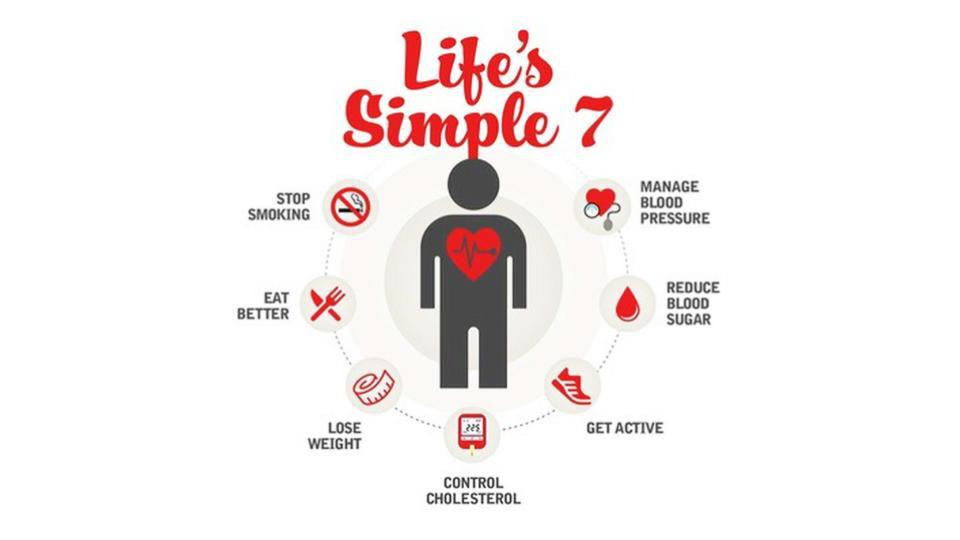
Excess weight puts additional strain on the heart. Obesity is linked to high blood pressure, diabetes, and high cholesterol.
Strategies for Healthy Weight Management
A balanced diet and regular exercise are essential for weight control. Mindful eating and portion control also play a role in maintaining a healthy weight.
Regular Health Check-Ups
Importance of Monitoring Health
Routine check-ups help detect risk factors early. Blood pressure, cholesterol levels, and blood sugar should be monitored regularly.
When to See a Doctor
Individuals with a family history of heart disease should consult a doctor regularly. Any symptoms such as chest pain, shortness of breath, or fatigue should not be ignored.
“Your heart’s health is in your hands—small changes today lead to a stronger, healthier tomorrow.”
Dr. Dean Ornish
Conclusion
Heart disease remains a leading cause of death worldwide, but many risk factors can be controlled. By making simple lifestyle changes, such as improving diet, increasing physical activity, managing stress, and avoiding harmful habits, the risk of heart disease can be significantly reduced. Taking proactive steps today ensures a healthier future.